

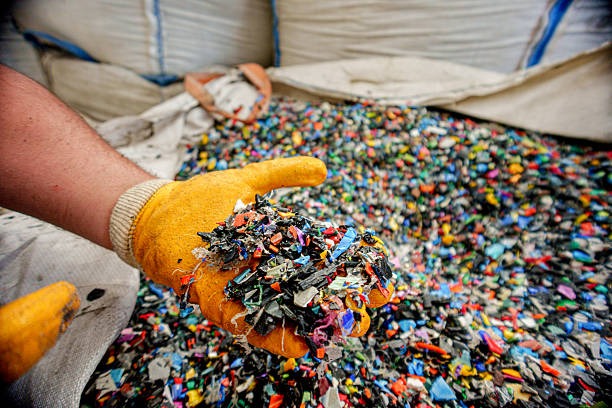
Plastic recycling has emerged as a critical component in the global effort to combat environmental pollution and promote sustainable development. In Singapore, a nation renowned for its commitment to environmental sustainability, several companies have taken the lead in plastic recycling initiatives. These companies are not only playing a pivotal role in reducing plastic waste but also setting benchmarks for innovation and efficiency within the industry.
One of the leading names in this domain is Sembcorp Industries. Known for its comprehensive waste management solutions, Sembcorp has been at the forefront of integrating cutting-edge technology with environmentally friendly practices. The company’s approach involves converting plastic waste into high-quality recyclables through advanced sorting and processing techniques. By leveraging state-of-the-art facilities and adhering to stringent environmental standards, Sembcorp ensures that a significant portion of plastic waste is diverted from landfills and repurposed effectively.
Another key player is Veolia Singapore, part of the global Veolia Group which specializes in optimized resource management. Veolia’s operations focus on transforming plastic waste into reusable materials by employing innovative technologies such as mechanical recycling processes. This method enables them to break down plastics into raw materials that can be reintroduced into manufacturing cycles, thereby closing the loop on plastic use. Additionally, Veolia https://www.advance-recycling.com/plastic places strong emphasis on community engagement and education programs aimed at raising awareness about responsible consumption and recycling practices.
TES-AMM Singapore stands out as well with its unique approach towards electronic waste (e-waste) which often contains significant amounts of recyclable plastics. TES-AMM employs sophisticated separation technologies that allow for effective extraction of plastics from e-waste components, ensuring these materials are recycled responsibly rather than ending up in incineration plants or landfills.
Moreover, ALBA Group Asia taps into digitalization to enhance their recycling operations across Singapore. Their smart systems enable efficient collection logistics while providing real-time data analytics that help optimize routes and improve overall efficiency in handling recyclable plastics.
These companies collectively contribute significantly towards achieving Singapore’s Zero Waste Masterplan goals by 2030—an ambitious target set by the government aiming for a 70% overall recycling rate nationwide. Through collaboration with governmental bodies like NEA (National Environment Agency), they work tirelessly not just focusing on increasing capacity but also enhancing quality control measures so recycled products meet international standards required by manufacturers globally.
In conclusion, leading plastic recycling companies in Singapore exemplify how business acumen combined with technological innovation can drive meaningful progress toward sustainable development goals. Their efforts underline an important message: tackling plastic pollution requires collaborative action from both industry leaders and society at large—a mission crucial now more than ever given our planet’s growing ecological challenges.